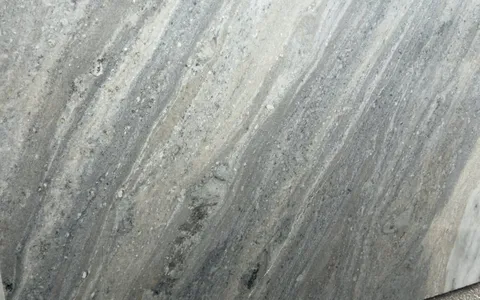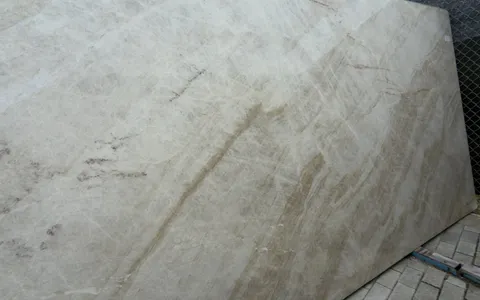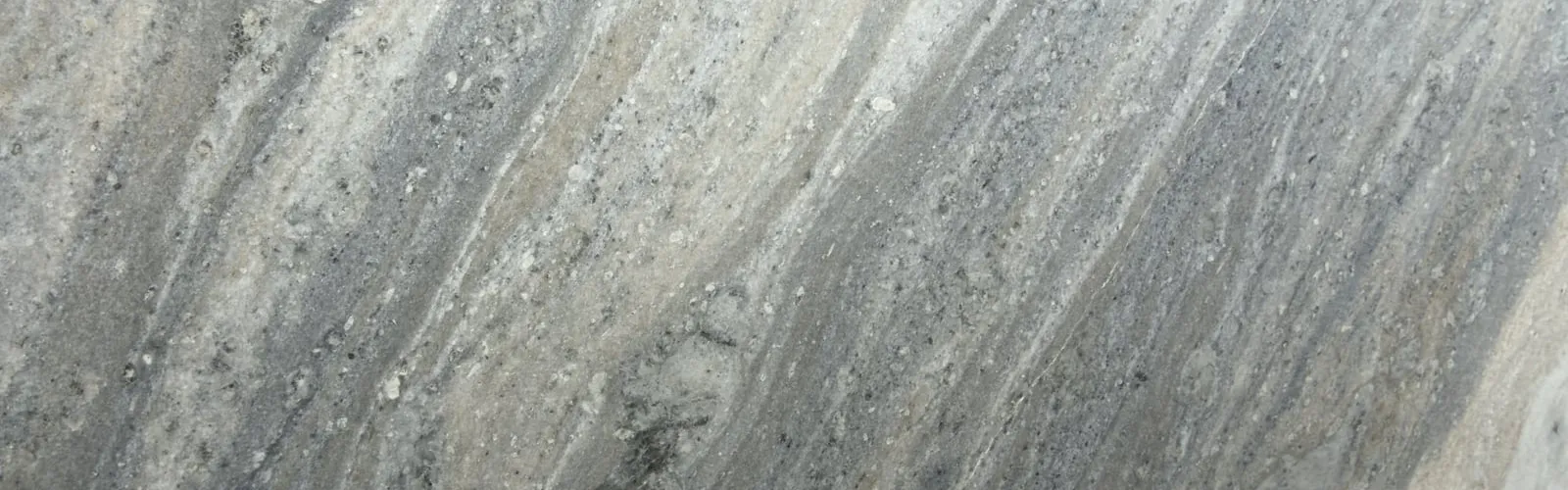
Granite and quartz are the two names we hear most at our showroom in Nokomis. Both make beautiful, long lasting countertops, and both work in Florida homes. They are very different materials, though, and the right choice depends on how you cook, how much upkeep you want and where the countertop will live. Here are the questions that usually settle it.
What is the main difference between granite and quartz?
Granite is natural stone, and quartz is engineered. Granite is quarried from the earth and cut into slabs, so every piece has its own color and movement. Quartz is made in a factory from roughly 90 to 95 percent ground quartz bound with resins and pigments, which gives it a consistent color and a non-porous surface.
That one difference explains almost everything else. Natural stone has tiny pores, so granite needs sealing. Quartz has resin in it, so it is sensitive to high heat and strong sunlight. Learn more about each on our granite countertops and quartz countertops pages.
Which handles Florida humidity better?
Both handle humidity well. Moisture in the air does not damage sealed granite or quartz, so neither will warp, swell or grow mold the way some other surfaces can. The real Florida test is what lands on the counter: iced drinks that sweat, citrus, cooking oil and plenty of guests.
Quartz shrugs those off because liquids cannot soak in. Granite resists them too, as long as the sealer is in good shape and spills are wiped up the same day. If you want to think about stains as little as possible, quartz has the edge. If you are comfortable with a quick water test now and then, granite is just as practical.
Which handles heat better?
Granite handles heat better. It formed from molten rock, so a warm pot or a baking dish will not hurt it. We still suggest trivets for pans straight off the burner, because sudden, extreme temperature changes can stress any stone and wear on the sealer.
Quartz is not heat proof. Everyday warmth is fine, but the resin can scorch, discolor or crack when a hot pan goes straight from the stove to the counter. Slow cookers and electric griddles that sit in one spot for hours can cause trouble too. With quartz, trivets are not optional. If you cook a lot and tend to set pans down without thinking, that alone may point you to granite.
Which is better for an outdoor kitchen or lanai?
Granite is the better outdoor choice. Natural stone does not fade in sunlight, and granite has a long record on patios and lanais. Many quartz manufacturers advise indoor use only, because ultraviolet light can fade or yellow the resin over time, and an uncovered Florida patio gets a lot of sun.
Under a fully covered, screened lanai the risk is lower, but most homeowners would rather not gamble on an outdoor kitchen. Porcelain is another strong outdoor option, since it is UV stable and never needs sealing. Our outdoor kitchen countertops page covers outdoor materials, grills and bar sinks in more detail.
Which needs less maintenance?
Quartz needs less maintenance. It never needs sealing, and daily care is mild soap and warm water. Avoid harsh chemicals like oven cleaner or bleach, which can dull the resin, and you are done.
Granite needs one extra habit: resealing over time. Now and then, put a few drops of water on the counter, and if the stone darkens within a few minutes, it is time to reseal. It takes a short while and a bottle of sealer made for natural stone. Our guide on sealing, on our blog, walks through it step by step.
Which one looks better?
That one is up to you, and it is the most fun part of the decision. Granite gives you one of a kind patterns: speckles, flecks, swirls and veins that no factory can copy. No two kitchens look exactly alike, and many people love that.
Quartz gives you consistency. The slab you see is very close to the slab you get, and matching pieces across a large kitchen is easier. Quartz also comes in many marble looks, with soft veining on a white background, plus solid whites, grays and blacks that are hard to find in natural stone.
Can I use both in the same house?
Yes, and plenty of homeowners do. A common approach is quartz in the bathrooms and laundry room, where low upkeep matters most, and granite in the kitchen or the outdoor kitchen, where heat and sun are part of daily life. Using remnants, the leftover pieces from larger slabs, for small spaces can also keep a project simple. Ask about them on our countertop remnants page.
How do I decide between granite and quartz?
Start with three questions:
- Do you set hot pans down often? If yes, lean toward granite.
- Is any of it going outdoors? If yes, choose granite or porcelain for that part.
- Do you want zero sealing? If yes, lean toward quartz.
Then look at real slabs. Photos and small samples never show the full picture, especially with natural stone. For a wider view that includes quartzite, marble, porcelain and dolomite, read our countertop materials comparison. When you are ready to see them in person, visit our Nokomis showroom, where granite and quartz sit side by side, and we will help you choose the one that fits the way you live.