Natural stone
Dolomite Countertops in Nokomis, Florida
Dolomite countertops are cut from a natural stone made mostly of the mineral dolomite, a calcium magnesium carbonate. Dolomite has soft, marble like veining and is a little harder than marble, so it scratches and etches less easily. It is still porous, so it needs regular sealing and gentle cleaning.
Last updated
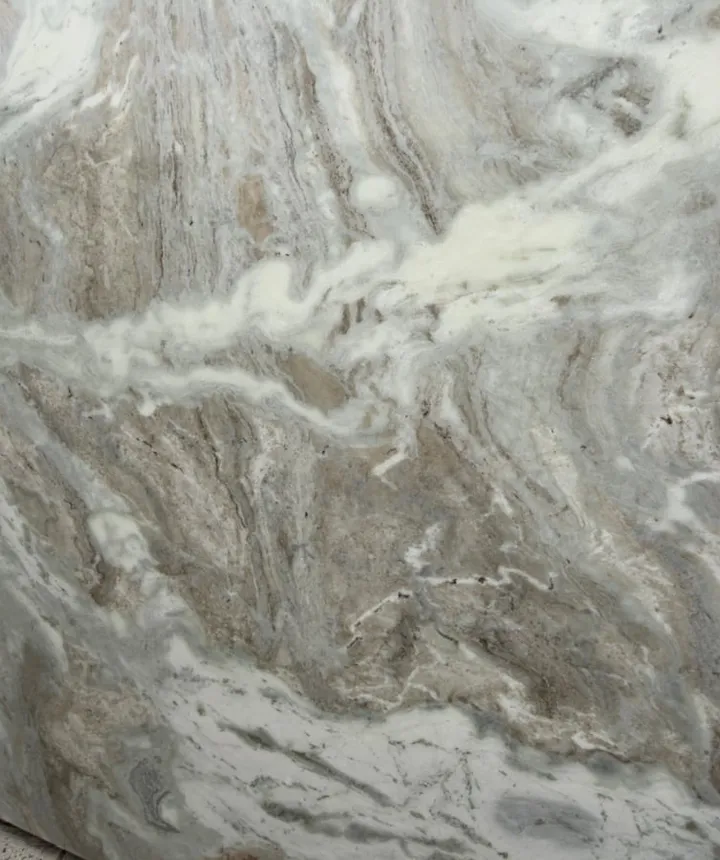
Dolomite at a glance
How dolomite behaves at home
- 01Origin
- Natural stone, rich in the mineral dolomite
- 02Porosity
- Porous
- 03Sealing
- Yes, regularly
- 04Heat
- Good, use trivets to protect the finish
- 05Scratches
- Good, harder than marble, softer than granite
- 06Etching
- Possible, though slower than marble
- 07Outdoor use
- Limited, best under a covered lanai
- 08Upkeep
- Moderate to higher, gentle cleaning and sealing
What is dolomite?
Dolomite is a natural stone that looks a lot like marble, with soft gray, white or warm brown veining. It is a little harder than marble and less likely to etch, but softer than granite, and it needs sealing. It works well in kitchens and bathrooms where spills get wiped promptly.
It is made mostly of the mineral dolomite, a calcium magnesium carbonate, and it forms when magnesium rich water changes limestone over long periods of time, and some deposits are later hardened further by heat and pressure. Many people mistake it for marble at first glance. It is its own stone, though, and it sits between marble and granite in hardness.
What are the pros and cons of dolomite?
Dolomite is a middle ground between the look of marble and the toughness of harder stones.
Pros
- Marble like veining and warm tones.
- Harder than marble, so fewer scratches.
- Reacts to acids more slowly than marble.
- Every slab is one of a kind.
Cons
- Porous, so it needs regular sealing.
- Can still etch with acids.
- Softer than granite and quartzite.
- Not ideal for an uncovered outdoor kitchen.
Is dolomite good for Florida homes?
Yes, indoors and under cover. Sealed dolomite handles Florida humidity fine, and it is a good match for bathrooms, bars and kitchens where spills get wiped promptly. A covered lanai is fine too, but full sun and rain are harder on it than on granite or quartzite.
For an open patio, a harder and less reactive stone, like granite countertops or quartzite, will age better.
Finish matters too. A honed or leathered dolomite surface hides light etching and fingerprints better than a high polish, and it feels soft under the hand. In a kitchen that sees daily cooking, that small choice can make the stone much easier to live with. In a bathroom, a polished finish usually stays bright, because acids are rare there.
If you are torn between dolomite and marble countertops, our countertop materials comparison puts porosity, etching and upkeep in one table.
How do you care for dolomite?
Clean dolomite with a pH neutral stone cleaner or mild soap and warm water. Avoid vinegar, citrus sprays, bleach and abrasive powders. Wipe acidic spills right away, use coasters and trivets, and keep the surface sealed. Reseal whenever a few drops of water darken the stone within minutes.
Can I see dolomite at your Nokomis showroom?
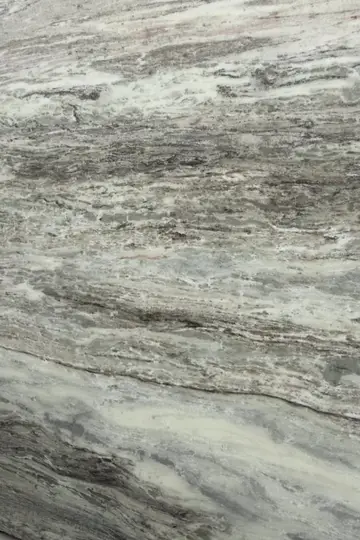
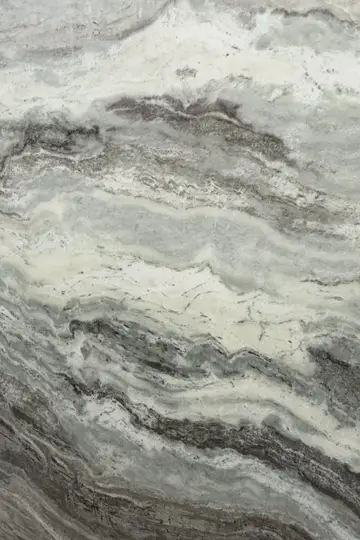
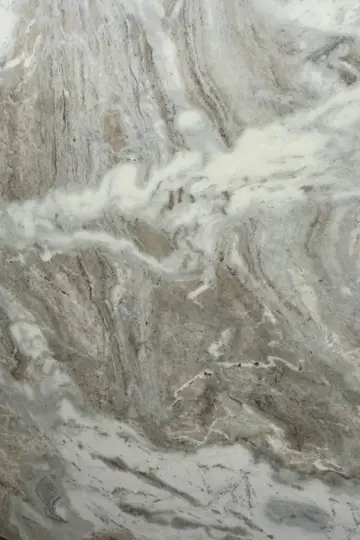
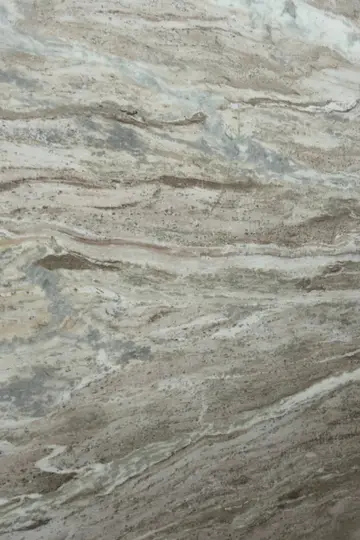
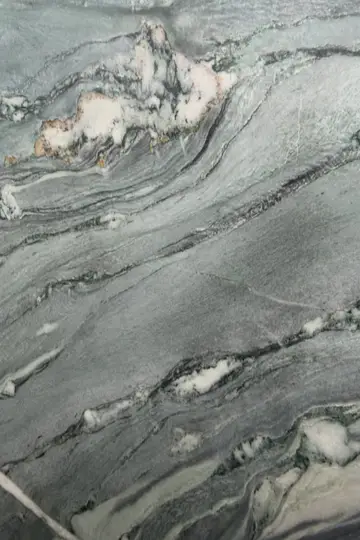
Yes. Visit our showroom at 780 N Tamiami Trail in Nokomis to compare dolomite with marble and quartzite. Our stone catalog includes Fantasy Brown dolomite in several tones, from lighter to darker and from gray to green. Because tone changes so much between slabs, seeing the real slab is the best way to choose. If you can, bring a cabinet door, a paint chip or a photo of your floor. Warm brown and green tones shift next to wood and paint, and seeing them together saves second guessing later. Availability changes, so call ahead for a specific one.
Dolomite works well on bathroom vanity tops and kitchen islands. When you are ready, request your countertop estimate.
From our catalog
Stones in dolomite
5 dolomite stones you can see in person in Nokomis. Every slab is a little different, so pick your favorites here and meet the real one at the showroom.
FAQ
Dolomite countertop questions
Still curious? Read more countertop questions, call us or stop by the showroom.
Is dolomite the same as marble?
No. Dolomite and marble are related carbonate stones, but dolomite is made mostly of the mineral dolomite, while marble is made mostly of calcite. Dolomite is usually a little harder and reacts more slowly to acids. Both have soft veining and both need sealing. Dolomite is often chosen by people who want a marble look with a bit less worry.
Does dolomite etch?
It can. Dolomite reacts to acids more slowly than marble, but lemon juice, vinegar or wine left on the surface can still leave a dull spot. Wipe acidic spills right away and clean with a pH neutral product. A honed or leathered finish hides light etching better than a high polish, which is worth considering for a kitchen.
How often should dolomite be sealed?
Dolomite needs sealing like any natural stone, because its tiny pores can absorb liquid. To know when, let the stone tell you: put a few drops of water on the counter, and if it darkens within a few minutes, it is time to reseal. Busy kitchens usually need it more often than bathrooms. Use a sealer made for natural stone.
Nokomis showroom
Compare dolomite and marble in person
See dolomite next to marble and quartzite at our Nokomis showroom, or send us your project details for an estimate.