Natural stone
Quartzite Countertops in Nokomis, Florida
Quartzite countertops are cut from a natural metamorphic stone that forms when sandstone is transformed by heat and pressure. Quartzite is very hard, handles heat well and works outdoors, with marble like veining. It is still natural stone, so it needs sealing. Do not confuse it with quartz, which is engineered.
Last updated
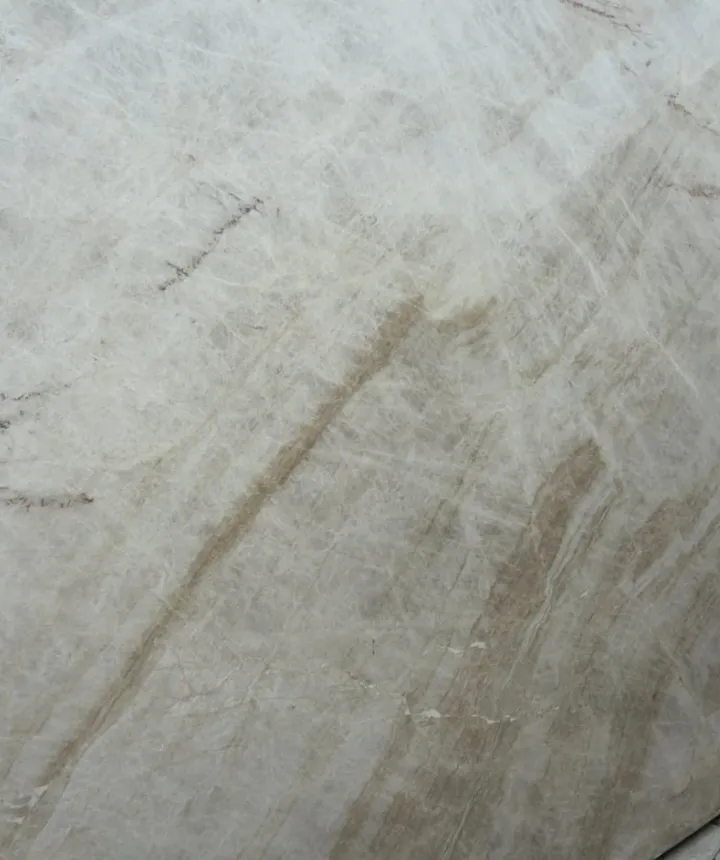
Quartzite at a glance
How quartzite behaves at home
- 01Origin
- Natural stone, metamorphosed sandstone
- 02Porosity
- Low to moderate, varies by slab
- 03Sealing
- Yes, it needs periodic sealing
- 04Heat
- Very good with everyday cooking heat
- 05Scratches
- Excellent, one of the hardest countertop stones
- 06Etching
- True quartzite resists kitchen acids
- 07Outdoor use
- Good, natural stone does not fade in sun
- 08Upkeep
- Moderate, mild soap plus resealing
What is quartzite?
Quartzite is a natural stone formed when sandstone is fused by heat and pressure into a dense, glassy rock. It is harder than granite, handles heat well and often has the soft veining of marble. It still needs sealing, and every slab is unique, so the exact piece you choose matters.
Over millions of years, heat and pressure fuse the quartz grains together. That is why quartzite is so hard and why its veining can look like marble. Slabs come in soft whites, warm taupes and bold blues and greens.
What are the pros and cons of quartzite?
Quartzite combines a high end look with real toughness.
Pros
- Very hard and scratch resistant.
- Handles everyday cooking heat well.
- Does not fade in sunlight.
- Dramatic natural veining, often with a marble look.
Cons
- Needs periodic sealing.
- Very hard to cut, which makes fabrication more involved.
- Porosity varies from slab to slab.
- Some stones sold as quartzite are softer than true quartzite.
Is quartzite good for Florida homes?
Yes. Quartzite is a strong fit for Florida homes. Once sealed it does not mind humidity, it handles heat from the stove, and as a natural stone it holds its color in the sun. That makes it a good choice for kitchens, lanais and outdoor kitchen countertops.
If you love the look of marble but cook every day, quartzite gives you a similar feel with far more resistance to scratches and etching. Because it is so hard, quartzite also takes waterfall sides and mitered edges well, which is why it shows up on so many islands.
Still deciding? Our countertop materials comparison shows quartzite next to quartz countertops, granite and marble, so you can see the tradeoffs in one table.
How do you care for quartzite?
Use mild dish soap, warm water and a soft cloth for daily cleaning. Avoid bleach, vinegar and abrasive cleaners, which wear the sealer down. Reseal when a few drops of water darken the surface within minutes. Trivets are a good habit even with heat tolerant stone, because they also protect the sealer.
Can I see quartzite at your Nokomis showroom?
Yes. Quartzite is one of the stones where seeing the real slab makes the biggest difference, because veining can change from one end to the other. Visit our showroom at 780 N Tamiami Trail in Nokomis to compare. Our stone catalog includes quartzite names such as Taj Mahal, Mont Blanc, Ocean Blue, Dakar and Santorini. Availability changes, so call before you come for a specific slab. Bring a cabinet sample or a photo of your floors if you can, because cool blues and warm taupes read very differently next to wood.
Quartzite is a popular choice for islands in kitchen countertops. When you are ready, request your countertop estimate and we will plan the layout with you.
From our catalog
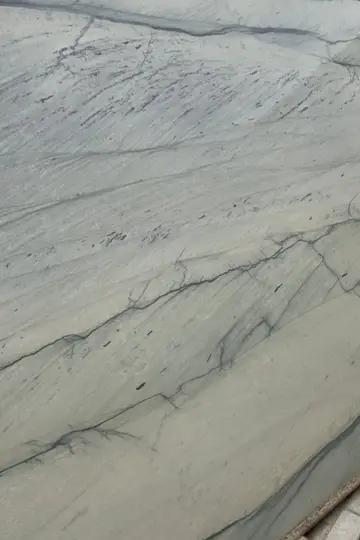
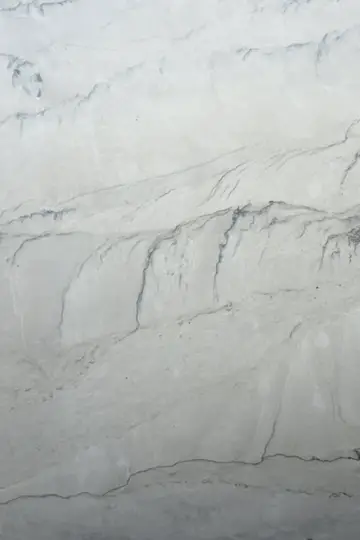
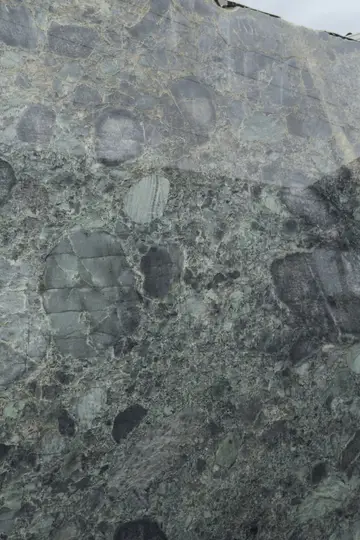
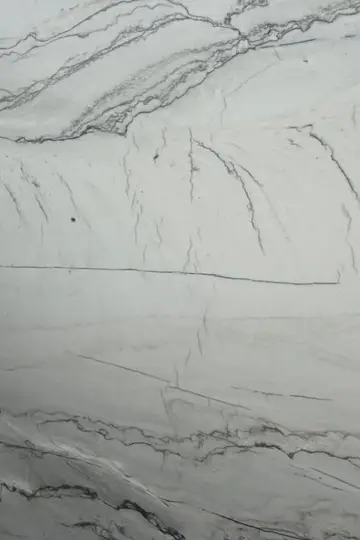
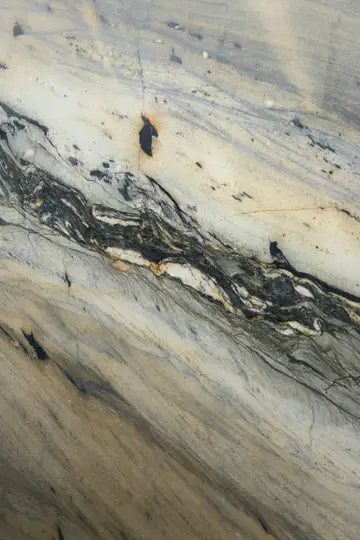
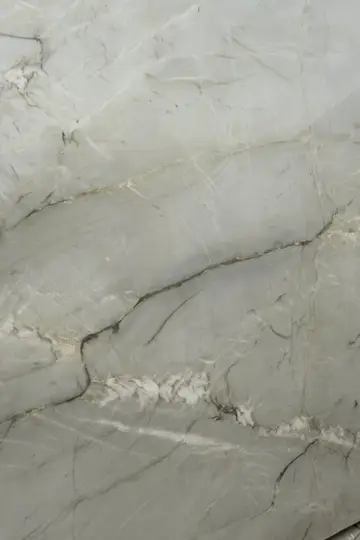
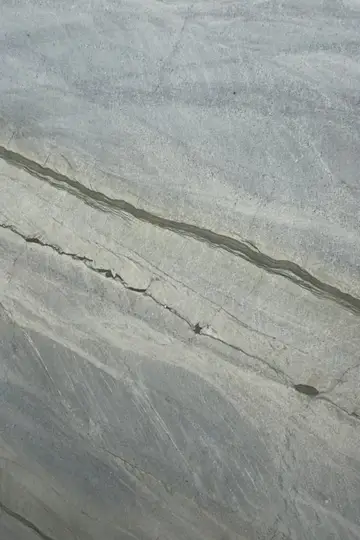
Stones in quartzite
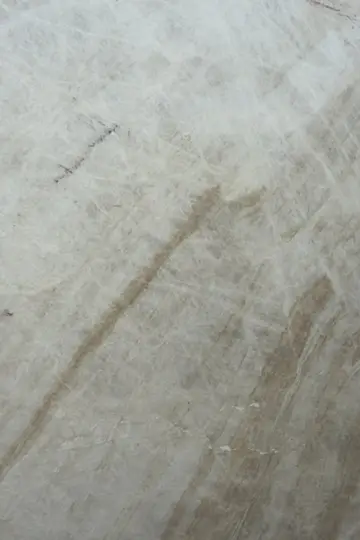
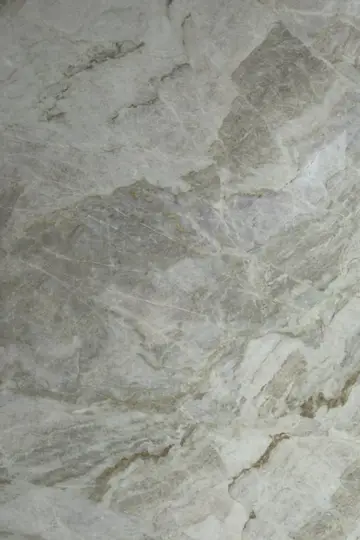
13 quartzite stones you can see in person in Nokomis. Every slab is a little different, so pick your favorites here and meet the real one at the showroom.
- Blue Illusion Quartzite Cool
- Dakar Quartzite Light
- Emerald Green Quartzite Dark
- Invictus White Quartzite Light
- Magma Blue Quartzite Warm
- Mont Blanc Quartzite Light
- Mont Blue Quartzite Cool
- Ocean Blue Quartzite Cool
- Santorini Quartzite Dark
- Taj Mahal Quartzite, slab 3 Warm
- Taj Mahal Quartzite, slab 4 Warm
- Taj Mahal Quartzite Warm
- Taj Mahal Quartzite, slab 2 Warm
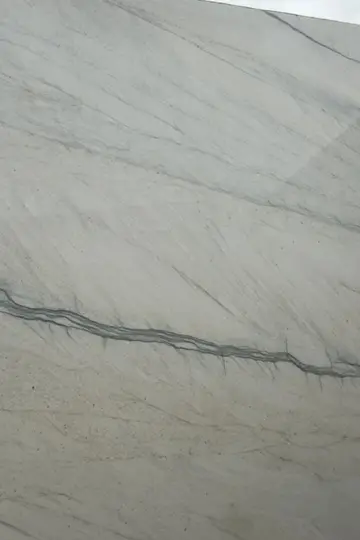
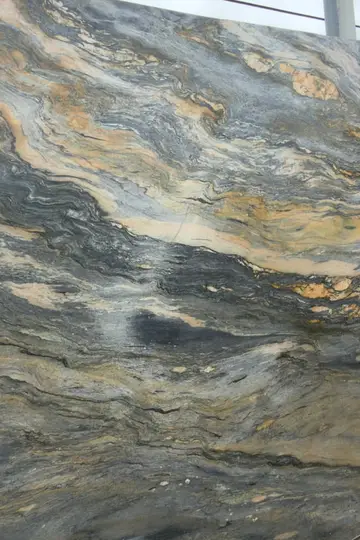
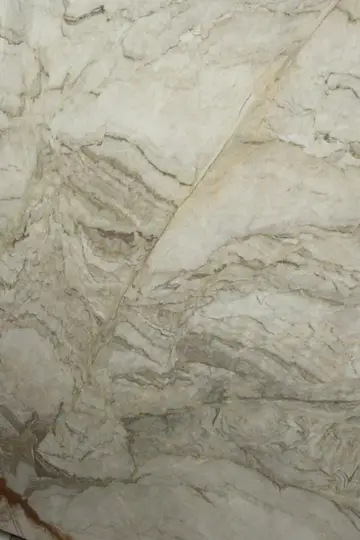
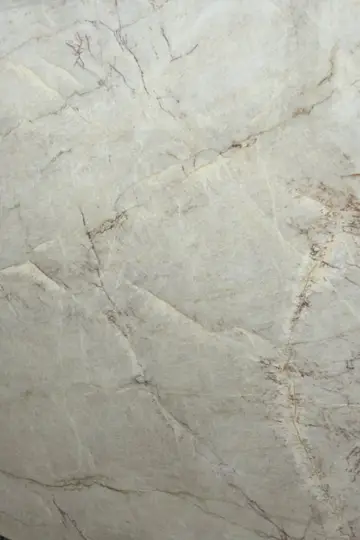
FAQ
Quartzite countertop questions
Still curious? Read more countertop questions, call us or stop by the showroom.
What is the difference between quartz and quartzite?
Quartz is engineered: roughly 90 to 95 percent ground quartz bound with resin, so it is non-porous and never needs sealing. Quartzite is natural stone formed when sandstone metamorphoses under heat and pressure. It tolerates heat better and does not fade outdoors, but it needs periodic sealing. Quartz offers uniform patterns, while every quartzite slab is one of a kind.
Does quartzite need to be sealed?
Yes. Quartzite is dense, but it is still natural stone, and many slabs absorb some liquid. To know when to reseal, use the water test: if a few drops darken the stone within a few minutes, it is time to reseal. Regular sealing keeps oil and wine from leaving marks.
Can quartzite etch like marble?
True quartzite resists etching from lemon, vinegar and wine. Some stones sold under quartzite names, though, contain softer minerals that can etch. If etching matters to you, ask to test a sample: leave a drop of lemon juice on it for a few minutes, rinse, and look for a dull spot. We are happy to help you compare.
Nokomis showroom
Find your quartzite slab
Quartzite patterns vary a lot, so see the slabs in person in Nokomis, or tell us about your project for an estimate.